
Breathing Easier Indoors: How Wind Fences Transform Industrial Buildings
Have you ever been on a camping trip and sat down beside the campfire to relax and roast some marshmallows only to have the smoke from the fire blow in your direction? I have, and let me tell you, the polluted air makes it very difficult to breathe. You’ll find yourself coughing and gasping for air as you quickly move to an area with better air quality.
Now imagine working in an enclosed building on an industrial site that lacks sufficient airflow, ventilation, or dust control solutions. The dust is smothering and creates an extremely uncomfortable environment to work in. An effective dust suppression strategy is critical.
The risks from dust in enclosed industrial buildings is substantial. The following table provides just a few examples of a long list of dust control considerations.
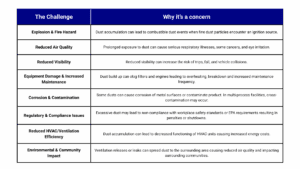
Dust generated in enclosed buildings on industrial sites can’t escape. In an attempt to control dust at the source, business may use dust control solutions such as fogging systems.
Although fogging systems can be effective at minimizing dust, this method does not always address the challenge entirely. Many buildings still experience insufficient or inefficient dust control. This is where a wind fence comes into play.
How a Wind Fence Makes Things Better
Even thinking about dust accumulation in enclosed industrial buildings is making it hard for me to breathe. Let’s get some fresh air.
What if one or two of the walls of the industrial building was replaced with WeatherSolve wind fence for industrial buildings?
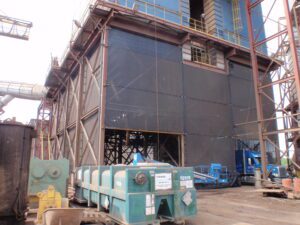
Our proprietary porous fabric is perfect for dust control AND ventilation. This means a happier, more comfortable work environment.
Creating a porous fabric wall or walls, allows for air exchange and improved dust suppression. It helps boost the effectiveness of fogging systems while allowing airborne dust to settle. This means:
- Effective dust suppression
- Reduced strain on HVAC units and current ventilation systems
- Improved visibility
- Improved regulatory compliance
- Reduced risk of combustible dust events
- Improved employee health and safety
- Prolonged equipment lifespan
WeatherSolve cladding can accommodate most buildings allowing for improved ventilation, airflow, and natural light to shine through. Just in case the thought of rain crossed your mind; you have no need to worry; our fabric repels the rain so the inside will be protected.
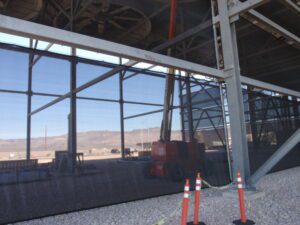
I think it’s pretty obvious that a wind fence really does make things better.

Claire Cowie is a seasoned Quality Assurance Manager with over two decades of experience in healthcare and manufacturing. Her career began in pharmacy, where she led teams and honed her skills in quality management systems. As she transitioned to the manufacturing sector, her unique background combines a deep understanding of policy and quality assurance with a keen eye for quality control.
Claire has been instrumental in implementing and cultivating a comprehensive quality control program within WeatherSolve Structures. She has successfully integrated her pharmaceutical background with manufacturing best practices, particularly in areas such as Good Manufacturing Practices (GMP) and ISO 9001 standards. Her unique blend of experience continues to drive innovation and excellence in her role.